

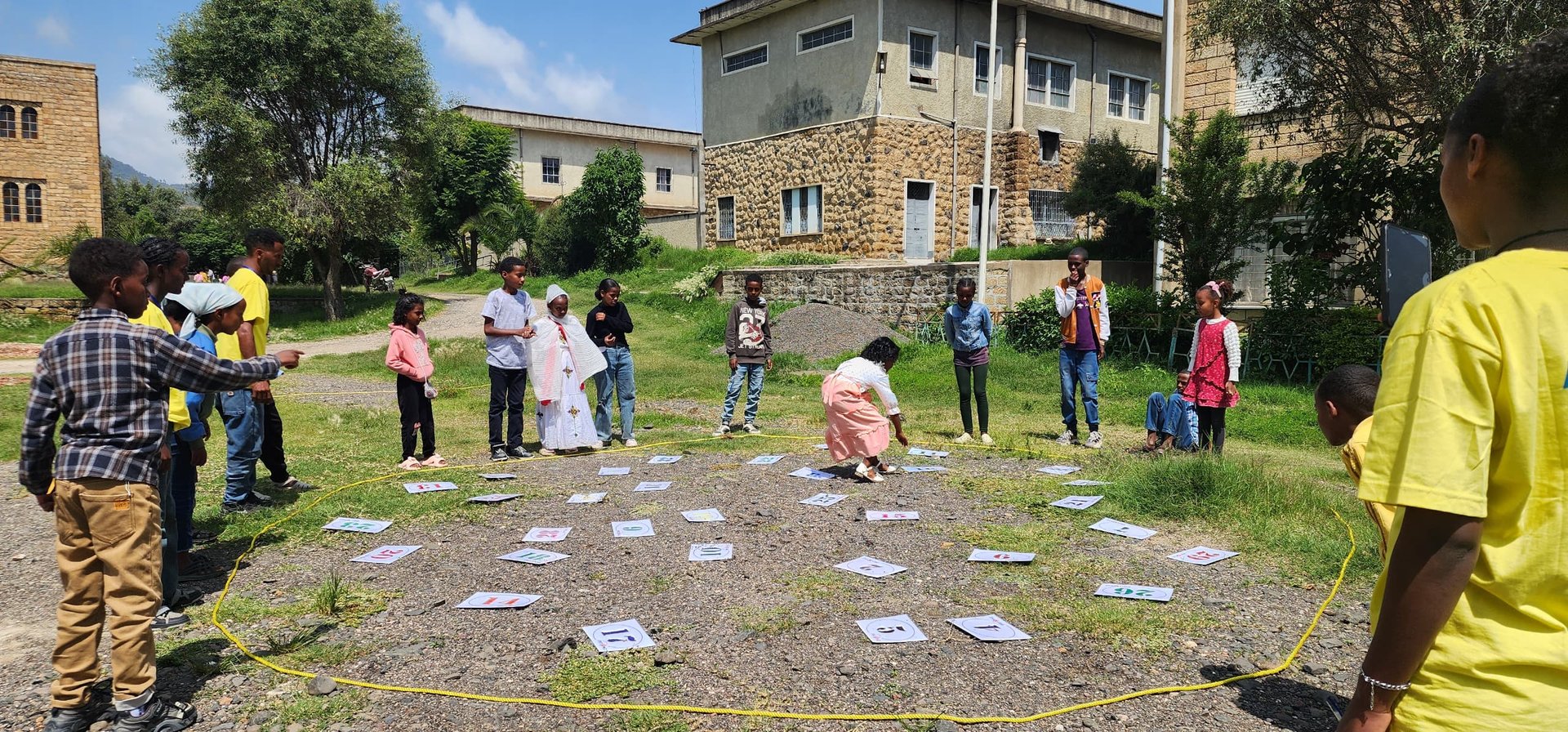
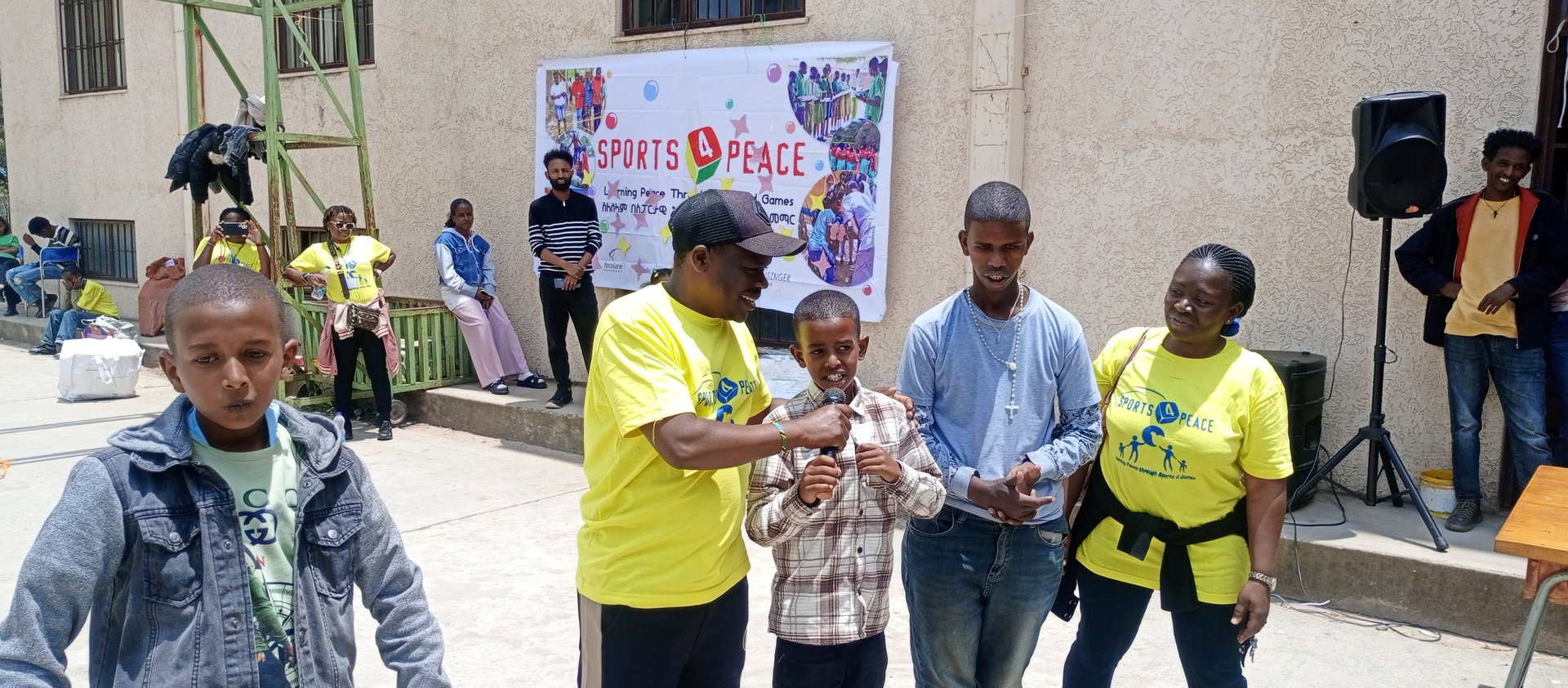
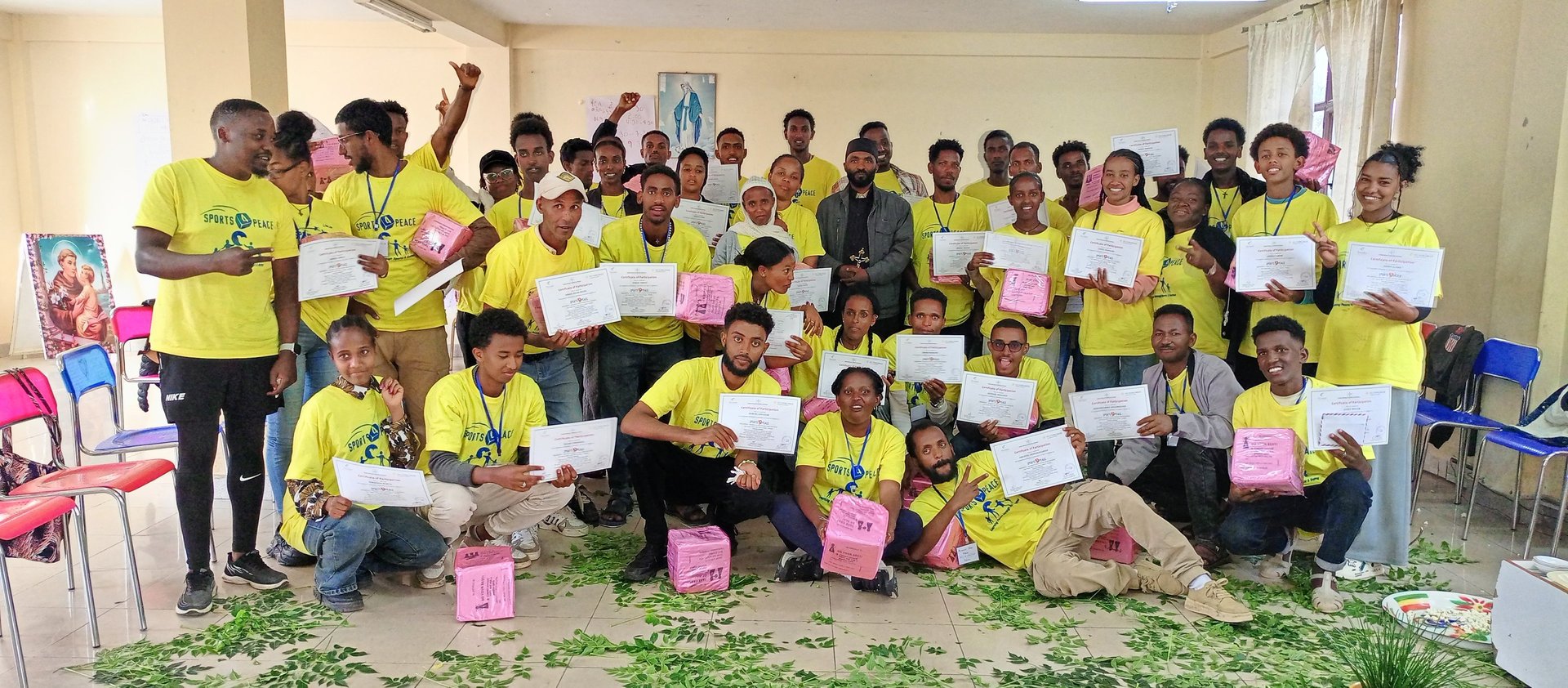
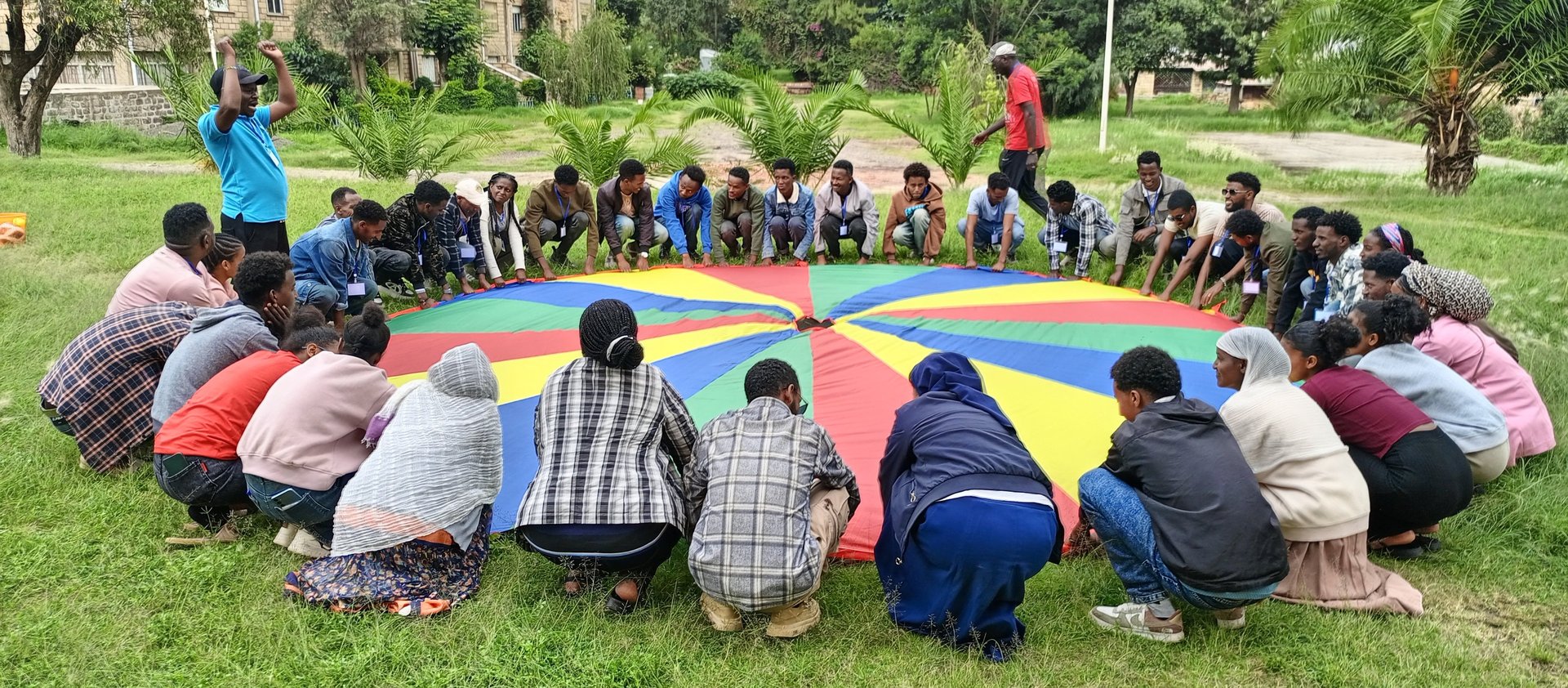
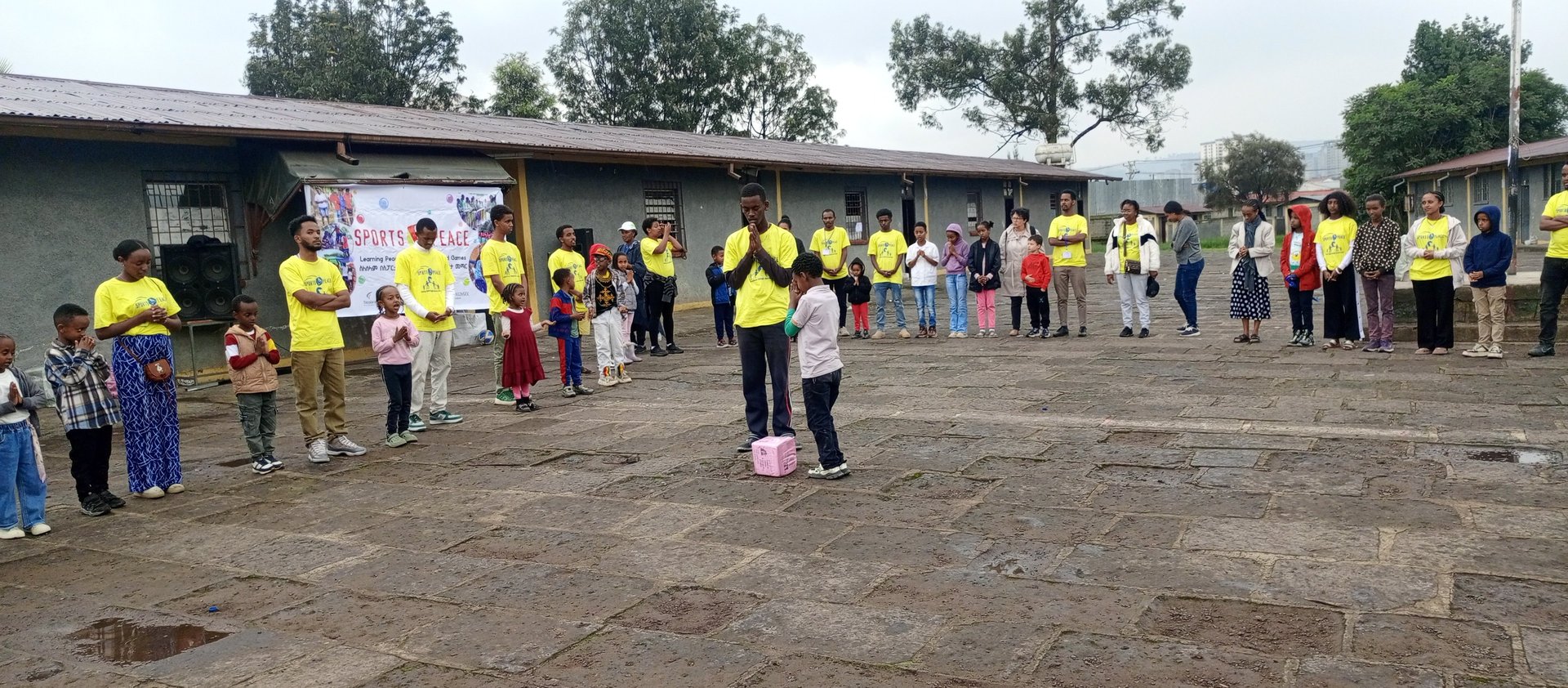
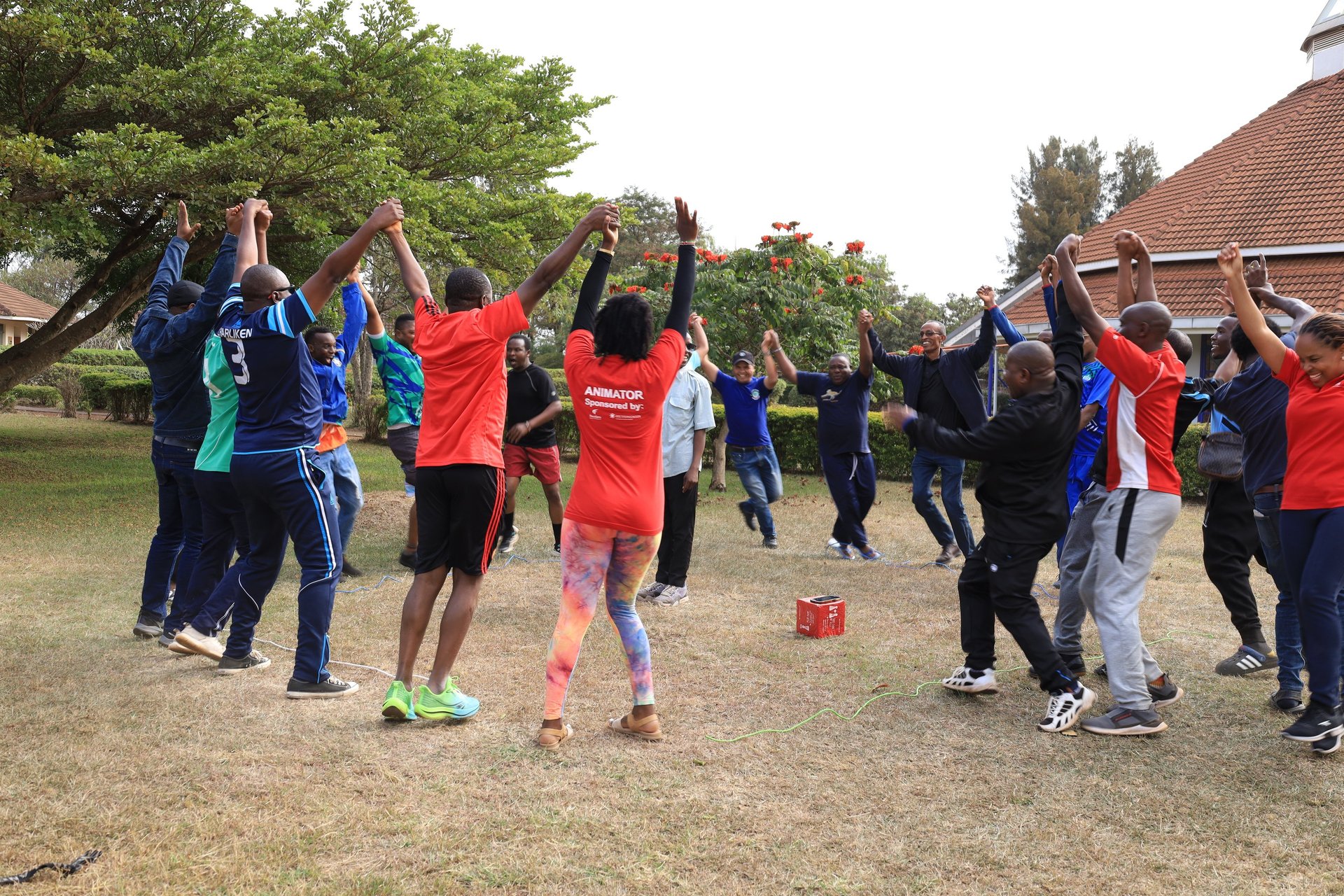
Sports4Peace provides holistic peace education, using sports and games as methods of social learning.
Overview
Background
It was developed by Dr Alois Hechenberger, an Austrian and international expert in play leadership and peace education. The approach has been tested in many workshops in Europe, Latin America, India, and Africa.
Impact Highlights
In 2015 and 2016, several weeks of Sports4Peace activities were implemented successfully in Rumbek in war-torn South Sudan, with unexpected impact, reaching out to dozens of teachers and hundreds of children and youth.
In 2023, Sports4Peace was held in Nairobi and Kakuma Refugee cam,p targeting mostly refugees and schools with different ethnical backgrounds. In 2024, Sports4Peace will be implemented in Moroto (Uganda), Rumbek (South Sudan), and in various parts of Kenya, while in 2025, the activities were done mainly in Burundi and Ethiopia (Modjo, Addis Ababa and Adigrat -Tigray)
Based on this experience, this project plans to extend its activities in the year 2025 to Burundi and Ethiopia. Also, in Kenya to continue with the grassroots activities in other regions
Partners & Collaborators
Catholic Bishops’ Conference of Ethiopia
Local dioceses
Focolare communities.
Methodology
A “dice” with six “Sports4Peace-Rules” is at the core of the activities. This dice thrown before the action reminds the players of helpful attitudes for peaceful interaction:
DO YOUR BEST – Commit yourself completely and with joy
PLAY FAIR – Be honest with yourself and others
HANG IN – Don’t give up, even when it is difficult
TAKE CARE OF – Respect everybody; each one is important
MAKE A DIFFERENCE – We can reach big aims only together
CELEBRATE – Enjoy the success of the other as your own
To create awareness among children, teenagers, youth, and their group animators or teachers on peaceful coexistence. They experience and learn this together through interaction in games and sports the attitudes and skills that favor peaceful coexistence, fraternity, cooperation, teamwork, and conflict solution. Empower their capacity so that they become promoters of peace and reconciliation at the grassroots in their local communities.
Objectives
Connect with our projects
Project Office of the Focolare Movement in Eastern Africa
info@fonafrica.org
+254-768 671 396
© 2025 Project Office of the Focolare Movement in Eastern Africa - Focolare NewHumanity Africa. All rights reserved.
Mariapolis Piero, Kenyatta Road off Thika Highway Exit 14
P.O. Box 552 - 01001 Kalimoni Juja
Our Affiliations
New Humanity of the Focolare Movement
Focolare Movement (International Website)
Legal: Privacy Policy | Terms & Conditions